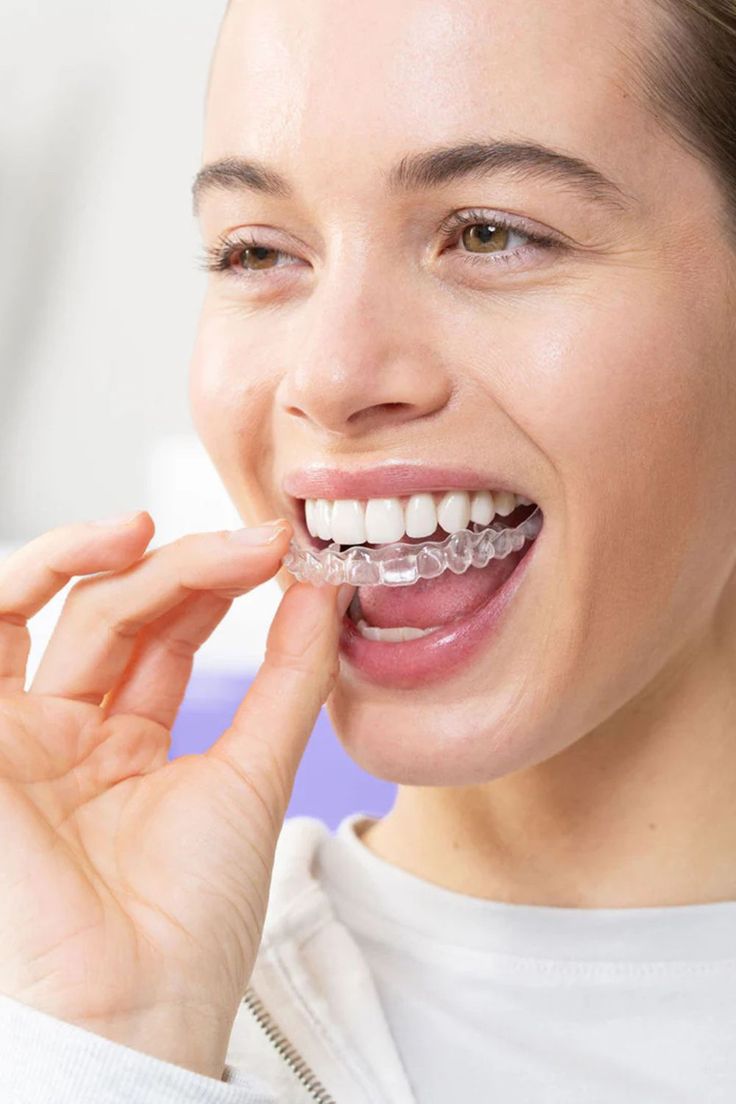

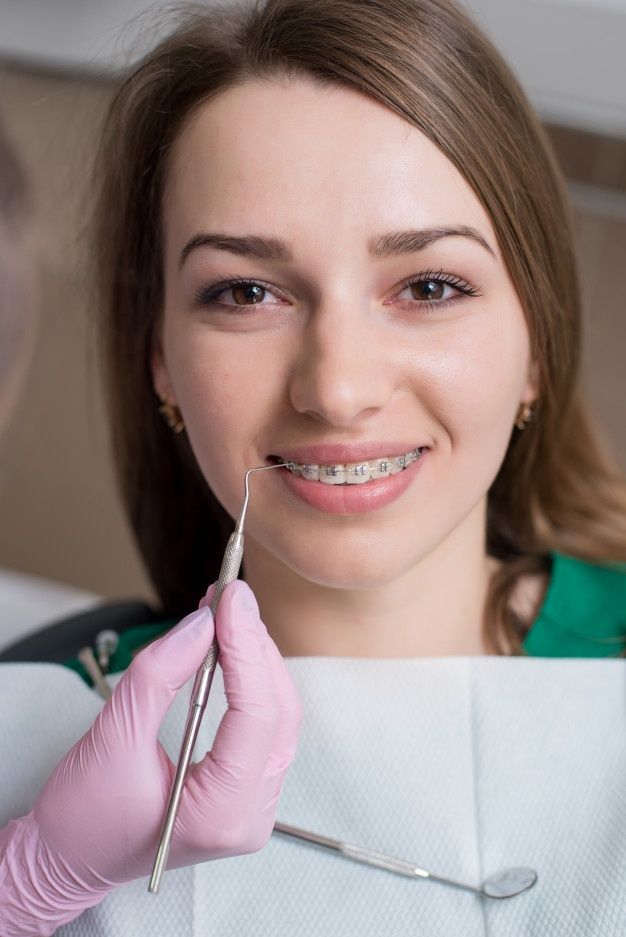
Our orthodontic service is designed to correct misaligned teeth and jaw irregularities effectively. Using modern braces, aligners, and precise treatment planning, we ensure long-term results that improve both aesthetics and oral health.
Orthodontic treatments gently move teeth into their ideal positions using advanced braces or clear aligners. This correction improves bite alignment, prevents overcrowding, and enhances the overall appearance of your smile.
By aligning teeth properly, orthodontics reduces the risk of cavities, gum disease, and excessive wear. Properly positioned teeth are easier to clean and maintain, promoting long-term oral health and hygiene.
Orthodontic treatments not only align teeth but also improve jaw symmetry and bite function. A properly aligned smile enhances facial proportions, boosts confidence, and provides long-term aesthetic and functional benefits.
Our orthodontic treatment process is designed to safely straighten teeth, correct bite issues, and improve overall oral function. Each step is carefully planned to ensure comfort, predictable results, and a confident, healthy smile.
We begin with a comprehensive evaluation of your teeth, jaw alignment, and bite. Using digital scans and X-rays, we assess misalignments and discuss your cosmetic and functional goals to design a plan.
Based on your assessment, we create a tailored treatment plan, selecting the most suitable braces or clear aligners.
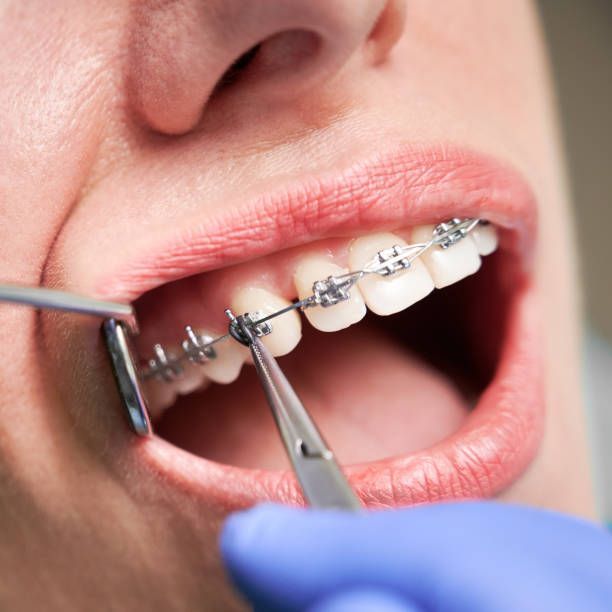
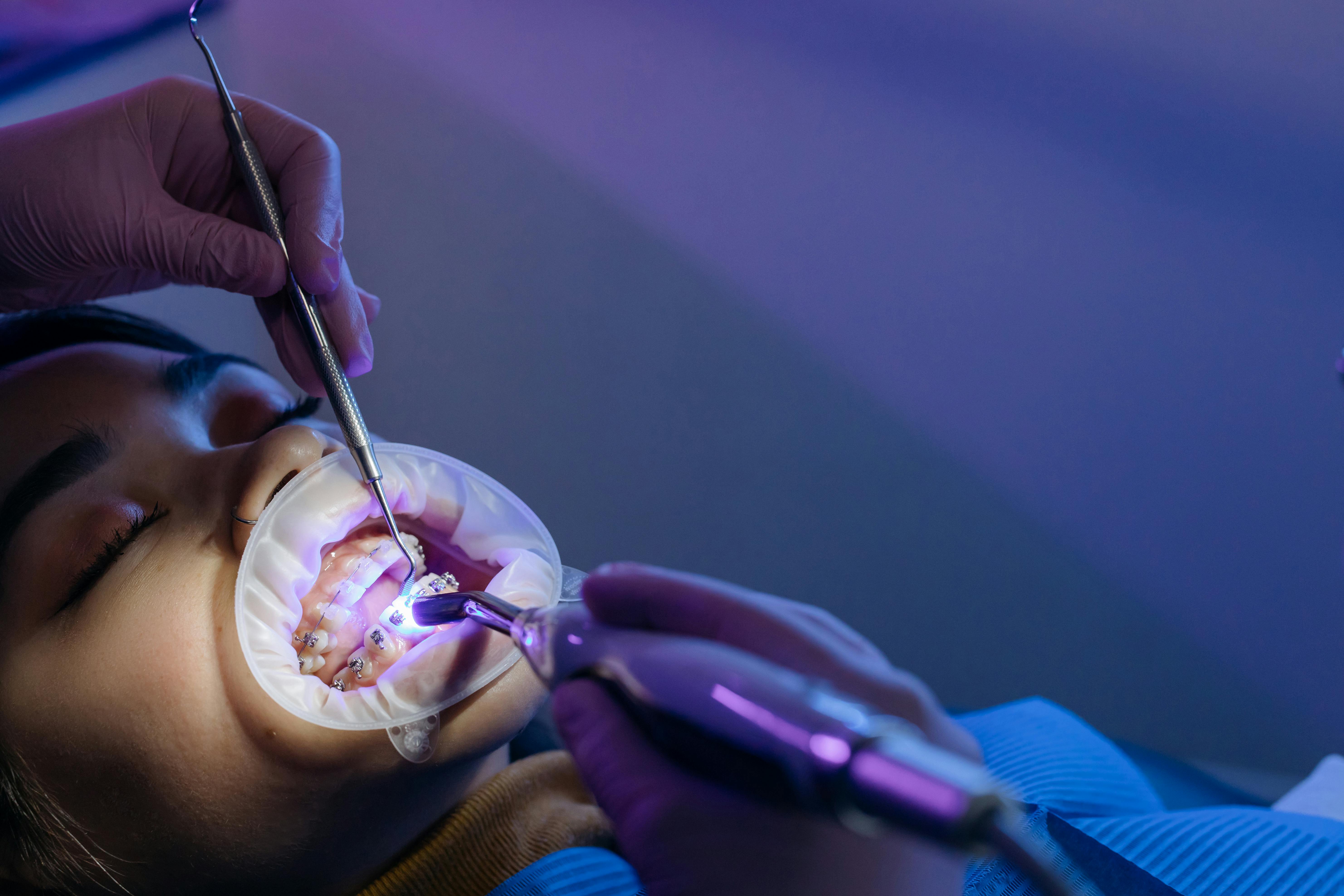
Braces or aligners are applied carefully to initiate tooth movement. Each adjustment is performed with precision to ensure comfort and gradual alignment.
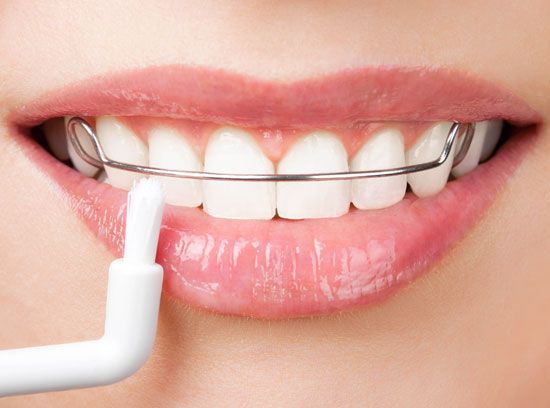
Once optimal alignment is achieved, retainers or follow-up appliances are provided to maintain results and ensure a stable, long-lasting, perfectly aligned smile.
Orthodontic treatment helps straighten teeth, correct bite issues, and improve overall oral health. By aligning teeth properly, it not only enhances aesthetics but also promotes better chewing, speech, and hygiene. Personalized treatment plans using braces or clear aligners ensure safe, effective, and long-lasting results.

Orthodontic treatment gradually moves teeth into proper alignment, correcting overcrowding, gaps, and rotation. This improves bite function, enhances facial symmetry, and allows for easier oral hygiene, reducing the risk of cavities and gum disease. Each plan is customized to meet your unique dental needs.
.jpg)

Properly aligned teeth reduce strain on the jaw and prevent uneven wear, improving overall oral function. Orthodontics can also alleviate bite-related issues like jaw pain or discomfort while making cleaning easier, leading to better long-term dental health and a more comfortable smile.

Dental implants are titanium posts surgically placed into the jawbone to replace missing teeth roots. They provide a stable foundation for crowns, bridges, or dentures. Over time, the implants fuse with the bone in a process called osseointegration, creating a secure and permanent tooth replacement that looks, feels, and functions like natural teeth.
The dental implant process typically takes several months, depending on individual healing rates and the number of implants. The first stage involves surgical placement, followed by a healing period for osseointegration. Once the implant is securely integrated, a custom crown or prosthetic is attached. This phased approach ensures long-term stability and optimal results.
Most patients experience minimal discomfort during the implant procedure, as local anesthesia is used. Post-operative soreness or swelling is common but manageable with prescribed pain relief and care instructions. Our dental team ensures a comfortable experience and provides guidance for smooth recovery throughout the healing process.
With proper oral hygiene and regular dental check-ups, dental implants can last 20 years or more. Their durability comes from the strong integration with the jawbone and the quality of the materials used. Maintaining healthy gums and avoiding habits such as smoking can further prolong the life of your implants.
Good candidates are adults with healthy gums and sufficient jawbone density to support implants. Individuals with missing teeth due to decay, trauma, or congenital conditions may benefit. Patients with certain medical conditions or insufficient bone may require additional procedures, such as bone grafting, before implant placement. A thorough evaluation ensures a safe and effective treatment plan tailored to each patient.
